Faheem Niyas Start a project

Four kinds of project, and what you receive from each

Each service below says who it suits and lists what is in your hands at the end. If your project sits between two of them, that is normal.

Corporate websites

A site that answers what a buyer asks first: what you supply, where you work and how to get a quote. Built so the answer is one click from any page.

A good fit when

Your current site is out of date, hard to use on a phone, or does not reflect the size of company you have become.

What you receive

  • Page structure and wording planned around what your customers look for
  • A design made for your brand, not a recoloured template
  • Every page built for phone, tablet and desktop
  • Quote and contact routes on every page, including WhatsApp
  • The finished site handed over with its source files
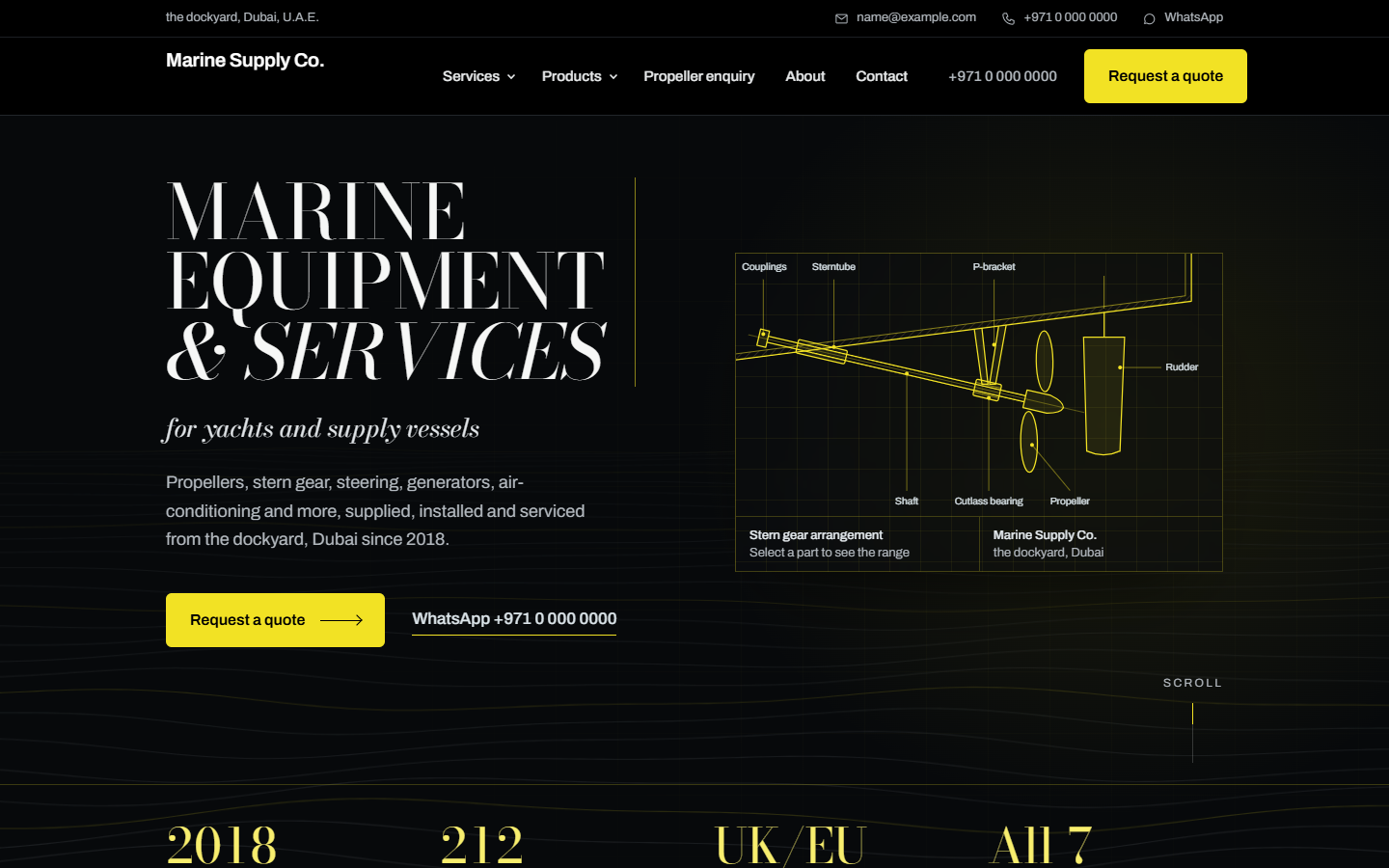
Seen in: A six-page website for a marine equipment supplier
Interactive web applications

Requests, approvals and records move out of spreadsheets and chat groups into one place, where each person sees only what they should.

A good fit when

Staff or customers need to sign in and do something: book, apply, approve, track or report.

What you receive

  • Screens designed around the tasks people do most often
  • Sign-in with roles, so managers and staff see different things
  • Rules enforced in the database, not only on the screen
  • A written list of what was tested and what was not
  • A sample-data version you can show around before going live
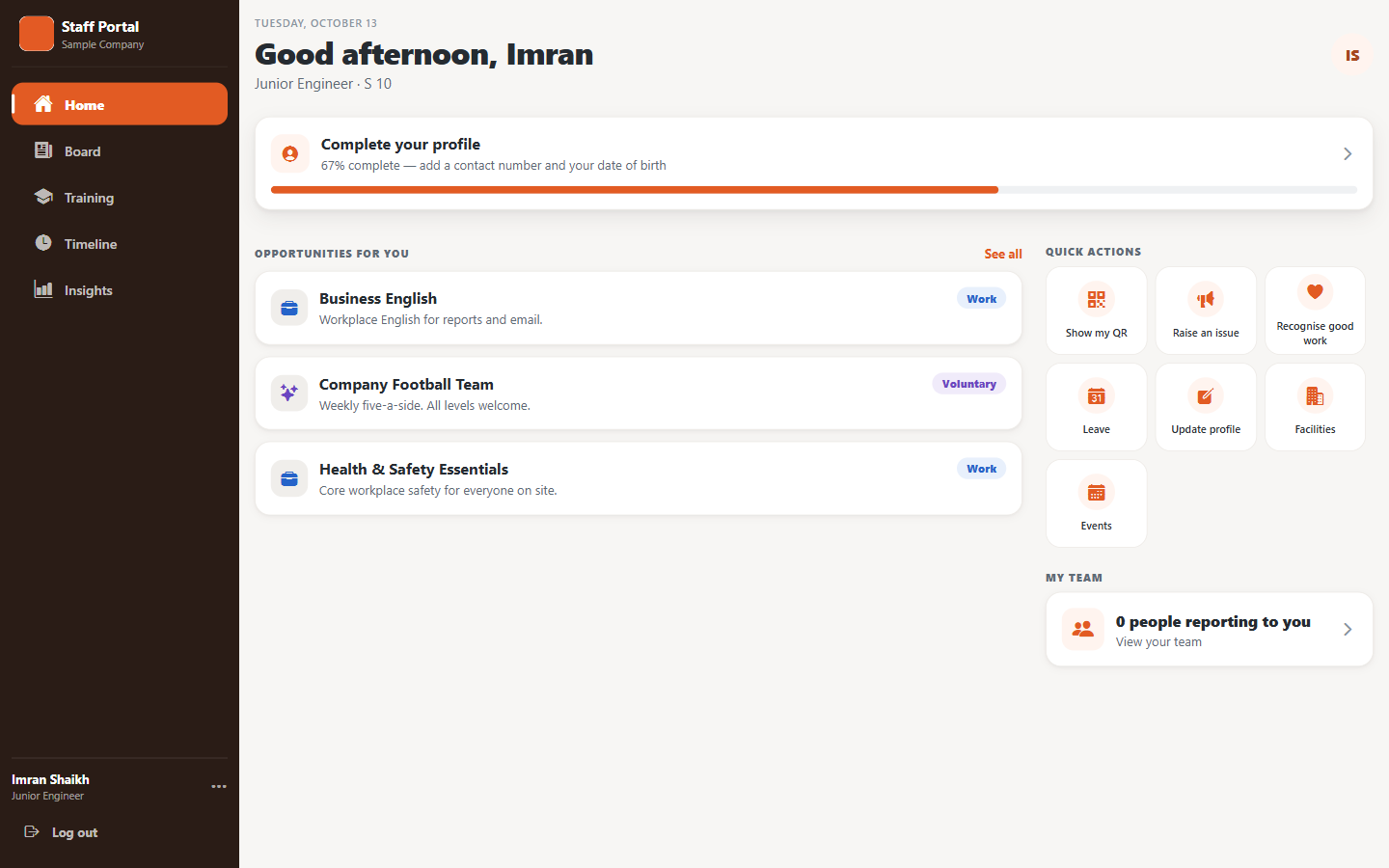
Seen in: An employee portal for a UAE manufacturer

B2B product catalogues

Buyers search your whole range, collect the items they need and send one enquiry your sales team can quote from.

A good fit when

You sell many products to trade buyers and most orders start with a quotation, not a checkout.

What you receive

  • Your product data cleaned up: duplicates merged, names and categories fixed
  • Search and category browsing that works across the whole range
  • An enquiry list buyers build as they browse
  • Guided enquiry forms for products that need specifications
  • A catalogue structure your team can keep adding to
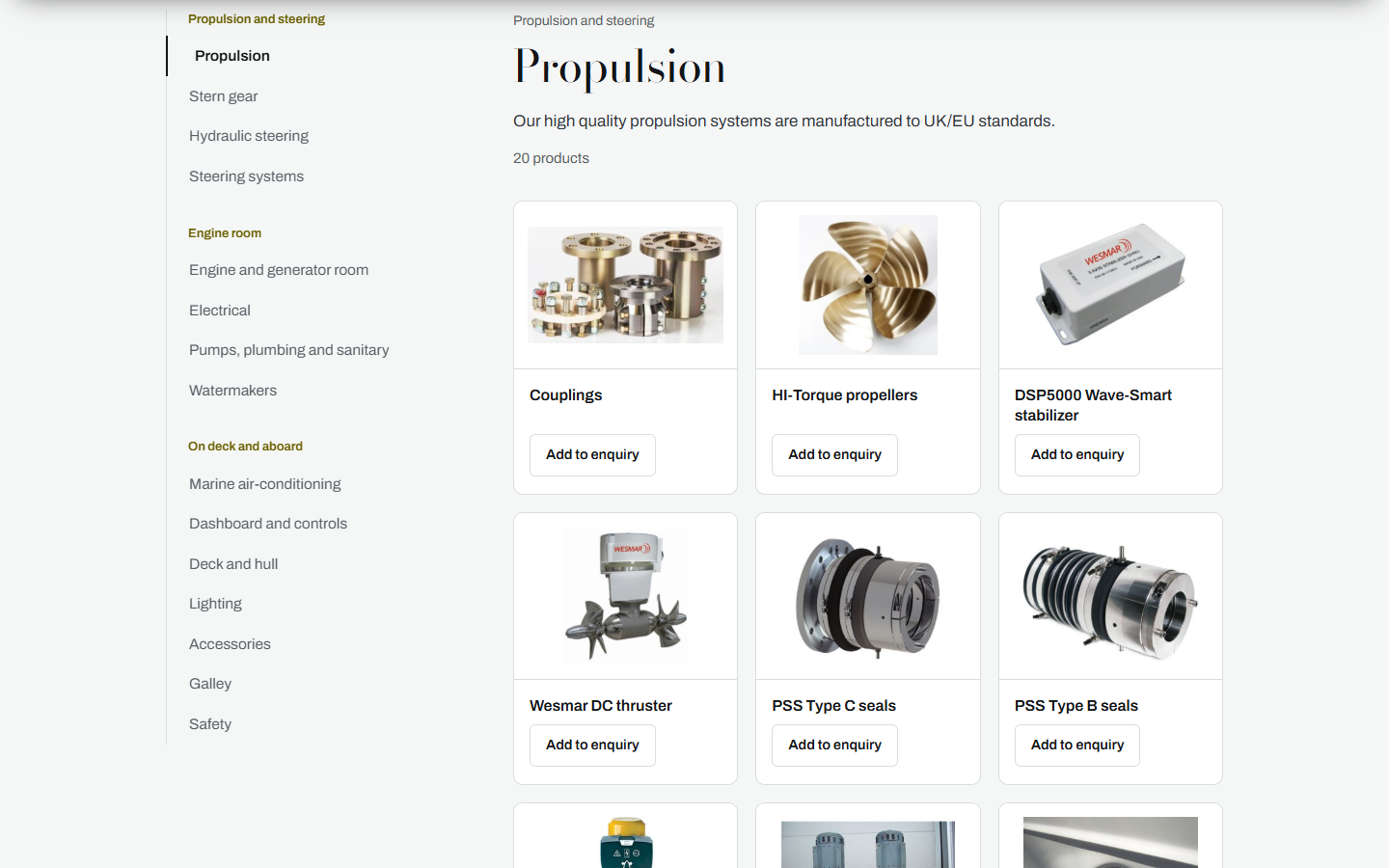
Seen in: A 212-product catalogue with an enquiry list

Custom business systems

A system shaped around the way your company already works, instead of your process bent to fit someone else’s software.

A good fit when

An off-the-shelf product almost fits, and the gap is being filled by hand every week.

What you receive

  • Your process written down and agreed before anything is built
  • A data model that matches your departments and reporting lines
  • Access rules for each role, checked against the live database
  • Reports that show totals without exposing individual records
  • Setup notes so the system does not depend on one person
Seen in: An employee portal for a UAE manufacturer

Included in every project, whatever its size

  • A written scopeWhat will be built, what will not, and what you need to supply. Agreed before work starts.
  • A preview linkYou click through the real thing as it grows. No slide decks standing in for software.
  • Phone and desktopEvery page is checked at phone, tablet and desktop widths before you see it.
  • A verification listWhat was tested, how, and the date. What was not tested is listed too.
  • Your filesSource code and content are handed over at the end. Nothing is held back.

How a project runs

  1. Conversation

    You describe the business and the problem. A call, a WhatsApp chat or a visit, whichever suits you.

  2. Scope

    I write down what will be built and what it will take. You change it until it is right.

  3. Build

    Work happens on a private preview link. You see progress as working pages, and comment as it goes.

  4. Verification

    Layouts, forms, access rules and edge cases are checked and written up.

  5. Handover

    The product goes live on your hosting or mine, with the source and notes passed to you.

Tell me what your business needs built. A few lines are enough to start, and I reply with questions, not a sales pitch.